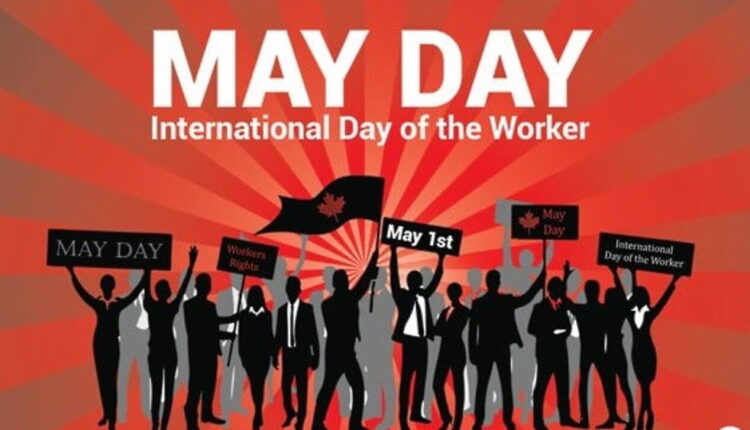
International Workers’ Day is a global observance focused on labor rights, social solidarity, and the historical development of working conditions. Observed in many countries on May 1, the day carries different meanings depending on national traditions, political history, and cultural context.
History of International Workers’ Day
Long before it became associated with labor movements, May 1 held cultural significance in parts of Europe as a seasonal marker. In some pre-Christian traditions, including the Celtic festival known as Beltane, the date was linked to the arrival of warmer weather and agricultural renewal. These earlier meanings gradually lost prominence as industrial societies emerged.
In the nineteenth century, May 1 became connected with organized labor and demands for improved working conditions. In 1856, workers in Australia staged large-scale actions calling for an eight-hour workday. Similar movements later appeared in the United States and Europe, where industrialization had led to long hours, unsafe conditions, and limited labor protections.
These campaigns contributed to the international recognition of May 1 as a day associated with workers’ rights and collective action. Over time, International Workers’ Day became established in many countries as a public holiday or official observance.
Interesting Facts About International Workers’ Day
International Workers’ Day reflects both labor history and broader social change.
- In some countries, the observance has been restricted or redefined at different points due to political conditions.
- Nineteenth-century labor movements played a role in shaping modern workplace safety standards and employment regulations.
- The name of the month May is often linked to Maia, a figure in Roman mythology associated with growth and fertility.
These elements show how the day combines historical, cultural, and social dimensions.
How International Workers’ Day Is Observed
International Workers’ Day is commonly marked through public gatherings, educational events, or official ceremonies, depending on local traditions. In some places, it is a public holiday, while in others it is observed through demonstrations, discussions, or historical commemorations.
Many people use the day to reflect on labor history, employment rights, and the evolving nature of work. The tone of observance ranges from commemorative to civic, shaped by national experience and social context.
When Is International Workers’ Day in 2026?
International Workers’ Day is observed each year on May 1.
Observations
| Weekday | Month | Day | Year |
| Friday | May | 1 | 2026 |
| Saturday | May | 1 | 2027 |
| Monday | May | 1 | 2028 |
| Tuesday | May | 1 | 2029 |