
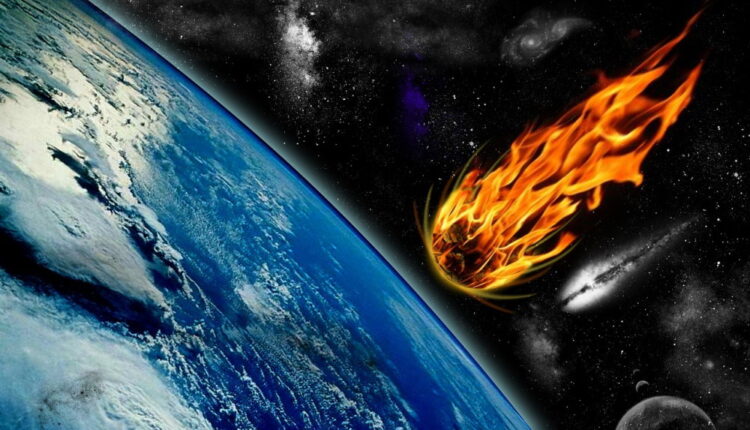
Modern movies often thrill and terrify us with the idea of celestial objects colliding with Earth. National Meteor Day, observed on June 30, is a chance to explore the mysteries of space and learn the key differences between meteors, meteoroids, and meteorites.
History of National Meteor Day
Astronomy has fascinated people since ancient times, when early civilizations tracked the night sky and recorded unusual lights overhead. Today, scientists use telescopes, satellites, and radar to study small bodies in the solar system in far greater detail. National Meteor Day encourages basic space literacy, including understanding what we actually see during a meteor event.
Interesting Facts About National Meteor Day
Meteoroids are small rocky or metallic bodies traveling through space. When one enters Earth’s atmosphere and produces a streak of light, it is called a meteor. If any part survives the journey and lands on the ground, it is called a meteorite.
- Some meteorites are extremely large, and a few famous finds have weighed tens of tons.
- One of the best-known meteor displays in the United States occurred in the 1800s and is often described as a meteor storm.
- Most meteoroids burn up high in the atmosphere, but in rare cases fragments can reach the ground and cause damage.
How to Take Part in National Meteor Day
- After sunset, head to a dark area away from city lights and give your eyes time to adjust.
- Bring a blanket or chair, dress for the weather, and spend at least 20 to 30 minutes watching the sky.
- If you want photos, use a tripod and long-exposure settings, or try a time-lapse mode on your phone.
When is National Meteor Day in 2026?
National Meteor Day is observed annually on June 30.
Observations
| Weekday | Month | Day | Year |
| Tuesday | June | 30 | 2026 |
| Wednesday | June | 30 | 2027 |
| Friday | June | 30 | 2028 |
| Saturday | June | 30 | 2029 |