
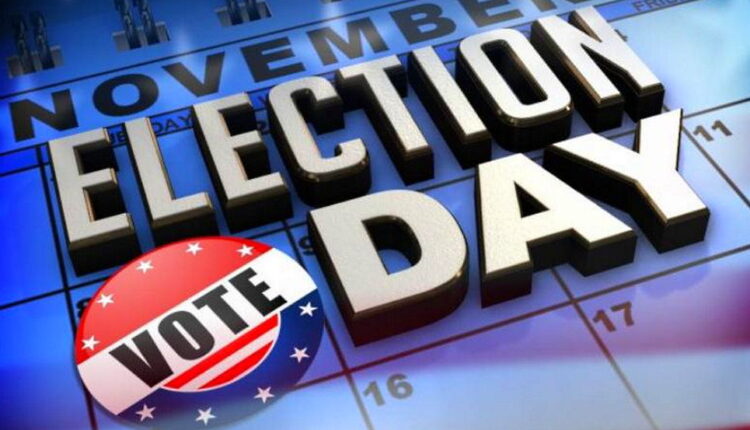
Election Day in the United States is observed on the Tuesday after the first Monday in November. On this day, federal, state, and local elections may be held, including presidential elections every four years and congressional elections every two years. The observance highlights the importance of civic participation, representative government, and the peaceful transfer of power.
History of Election Day
Before a single national election date was established, states had more flexibility in choosing when to hold presidential elections. This created practical problems because results from states that voted earlier could influence voters in states that voted later.
In 1845, the U.S. Congress set a uniform date for choosing presidential electors: the Tuesday after the first Monday in November. The timing reflected the realities of 19th-century life. November came after the harvest season, and Tuesday allowed many voters time to travel after Sunday without interfering with market days in many communities.
Over time, Election Day became associated not only with presidential contests but also with elections for Congress, governors, state legislatures, local offices, judgeships, and ballot measures. Although election rules vary by state, the date remains one of the most important civic days in the United States.
Interesting Facts About Election Day
- Election Day is held on the Tuesday after the first Monday in November, not always on the first Tuesday of the month.
- The first U.S. presidential election held under the uniform November date took place in 1848.
- Members of the U.S. House of Representatives are elected every two years.
- U.S. senators serve six-year terms, with elections staggered so that only part of the Senate is up for election at one time.
- Presidential elections in the United States are held every four years.
- Many states and local communities also hold elections for governors, mayors, school boards, judges, and other offices on or around Election Day.
How Election Day Is Observed
Election Day is observed through voting, civic education, public discussion, election coverage, and community involvement. Many people use the day to learn more about government, follow election results, discuss public issues, or support nonpartisan efforts that help communities take part in civic life. Schools, libraries, and community organizations may also use the occasion to teach about democracy, citizenship, and the history of voting rights.
When Is Election Day in 2026?
Election Day is observed on the Tuesday after the first Monday in November each year.
Observations
| Weekday | Month | Day | Year |
| Tuesday | November | 3 | 2026 |
| Tuesday | November | 2 | 2027 |
| Tuesday | November | 7 | 2028 |
| Tuesday | November | 6 | 2029 |