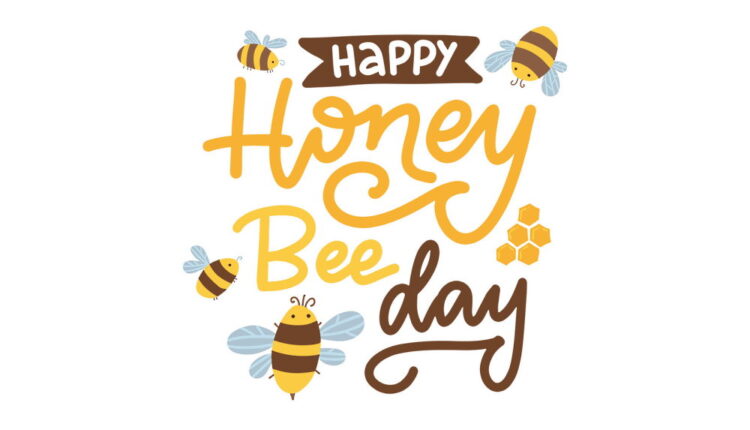
National Honey Bee Day was created to help people appreciate the remarkable contributions of honey bees and raise awareness about the challenges they face. These small but essential insects play a vital role in agriculture and the wider ecosystem, yet their importance is often underestimated. The third Saturday of August is a fitting time to learn more about honey bees and the ways people can help protect them.
History of National Honey Bee Day
National Honey Bee Day began in 2009, when a small group of beekeepers successfully petitioned the U.S. Department of Agriculture for formal recognition of the observance. The first celebration took place on August 22, 2009, and the event later became permanently associated with the third Saturday of August.
The day was created to promote beekeeping and increase public awareness of the important role honey bees play in pollination and food production. Since then, it has grown into a widely recognized observance supported by beekeepers, educators, and community groups.
Honey and beekeeping also have a long history in human culture. For centuries, honey has been used as a sweetener, as an ingredient in traditional foods, and in a variety of household practices across different societies.
Interesting Facts About National Honey Bee Day
- Honey bees do not perceive red the way humans do; red appears more like a dark or dull color to them.
- Honey bees can forage several miles from their hive, although many trips are much shorter.
- Worker honey bees can fly at around 15 miles per hour under favorable conditions.
- Honey bees use both vision and smell to help locate flowers and nectar sources.
- National Honey Bee Day is observed every year on the third Saturday of August.
Honey itself is also known for its long shelf life when stored properly, which has made it especially valued throughout history.
How to Take Part in National Honey Bee Day
National Honey Bee Day can be observed in many simple and practical ways. Supporting local beekeepers, learning more about pollinators, planting bee-friendly flowers, and reducing unnecessary pesticide use are all meaningful steps that can help honey bees and other pollinating insects.
For those interested in beekeeping, the day can also be a good opportunity to attend a local event, speak with experienced beekeepers, or explore educational resources before getting started. Even small actions can help raise awareness and support pollinator health.
When Is National Honey Bee Day in 2026?
National Honey Bee Day is observed on the third Saturday of August each year. In 2026, it falls on August 15.
Observations
| Weekday | Month | Day | Year |
| Saturday | August | 15 | 2026 |
| Saturday | August | 21 | 2027 |
| Saturday | August | 19 | 2028 |
| Saturday | August | 18 | 2029 |