
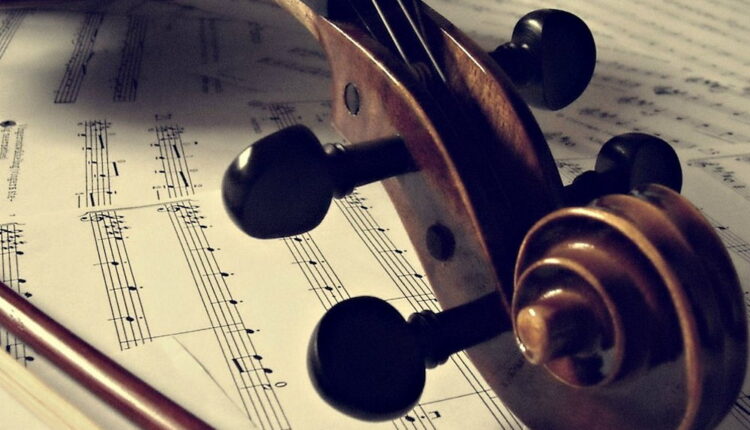
Classical Music Month is observed every September to celebrate the beauty, history, and lasting influence of classical music. The month invites people to listen to great composers, attend concerts, learn about musical periods, and appreciate the performers, conductors, and ensembles who keep this tradition alive. Classical music has shaped many later styles and remains a powerful part of cultural life around the world.
History of Classical Music Month
Classical Music Month was recognized in the United States in 1994. Congress designated September 1994 as Classical Music Month, and President Bill Clinton issued Proclamation 6716 on August 22, 1994, calling on Americans to observe the month with appropriate ceremonies and activities.
The proclamation emphasized classical music as a tradition of artistic excellence and a unifying force that brings people together across cultural and geographic boundaries. Since then, September has been used by orchestras, schools, radio stations, libraries, music teachers, and arts organizations to highlight classical music and encourage new listeners to explore it.
Classical music covers many centuries and styles. It includes sacred music, chamber music, opera, symphonies, concertos, sonatas, choral works, and modern compositions inspired by older traditions. Composers such as Johann Sebastian Bach, Wolfgang Amadeus Mozart, Ludwig van Beethoven, Frédéric Chopin, Pyotr Ilyich Tchaikovsky, and many others helped shape the music that is still performed today.
Interesting Facts About Classical Music Month
- The term “classical music” is often used broadly, but it can also refer more narrowly to the Classical period, roughly from the mid-18th to the early 19th century.
- Medieval music included sacred chant, early polyphony, and music connected with churches, courts, and communities.
- The Renaissance period brought richer vocal harmony, choral music, and the growth of secular songs and instrumental pieces.
- The Baroque period is associated with composers such as Bach, Handel, and Vivaldi, as well as forms such as the concerto, suite, fugue, and cantata.
- The Classical period brought clearer musical structures and the growth of the symphony, string quartet, sonata, and concerto.
- The Romantic period emphasized emotion, drama, individuality, and expanded orchestral color.
How to Take Part in Classical Music Month
Classical Music Month can be observed by listening to a symphony, opera, concerto, sonata, or chamber work you have never heard before. You can attend a live concert, explore a local orchestra, listen to a classical radio station, or create a playlist of well-known composers and performers.
You can also learn about musical instruments, read about a composer, watch a performance online, visit a music school, or encourage children to try classical music in an approachable way. The month is not only for experts. It is a chance for anyone to slow down, listen closely, and discover music that has endured for generations.
When Is Classical Music Month in 2026?
Classical Music Month is observed annually throughout September, beginning on September 1.
Observations
| Weekday | Month | Day | Year |
| Tuesday | September | 1 | 2026 |
| Wednesday | September | 1 | 2027 |
| Friday | September | 1 | 2028 |
| Saturday | September | 1 | 2029 |