Palm Sunday is a worldwide Christian observance that marks the beginning of Holy Week, the final week before Easter. Because the date of Easter changes annually, the date of Palm Sunday varies each year as well.
History
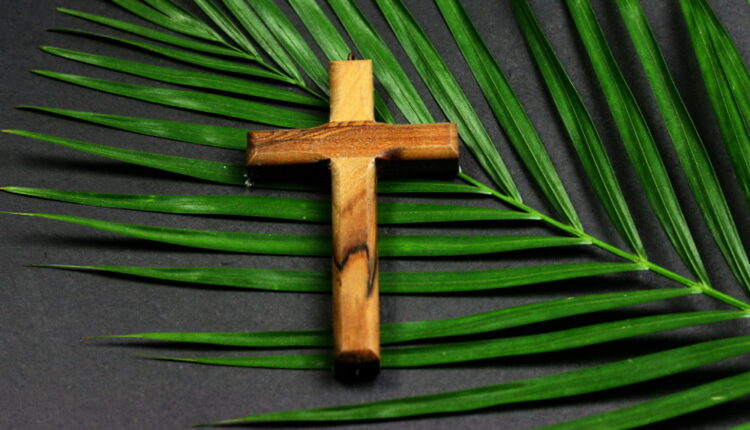
The origins of Palm Sunday go back to the earliest days of Christianity. According to the Bible, Jesus entered Jerusalem riding on a donkey. People welcomed him by spreading palm branches on the road and waving them in the air. Some placed their cloaks on the ground as a sign of honor. Tradition also suggests that Jesus may have held palm branches himself.
His entry into the city was seen as a moment of great significance, as many had heard of his teachings and miracles. Crowds greeted him as a king and a bringer of hope. In many Christian traditions, palm branches blessed on this day are later burned; the ashes are saved for Ash Wednesday and used to make the sign of the cross on worshippers’ foreheads.
Interesting Facts
- In several Eastern European countries, children are traditionally awakened with a light tap from a willow twig on Palm Sunday.
- In Latvia and nearby regions, willow branches rather than palm leaves are used as the symbolic plant of the holiday.
How to Take Part
Observe Palm Sunday according to your local customs or family traditions. If you want to learn more about Christian celebrations, explore the history and practices associated with this day.
Share information about the holiday on social media. Ask others whether they celebrate Palm Sunday and how it is observed in their community.
When is Palm Sunday in 2026?
Palm Sunday is observed annually on the Sunday before Easter.
Observations
| Weekday | Month | Day | Year |
| Sunday | March | 29 | 2026 |
| Sunday | March | 21 | 2027 |
| Sunday | April | 9 | 2028 |
| Sunday | March | 25 | 2029 |