
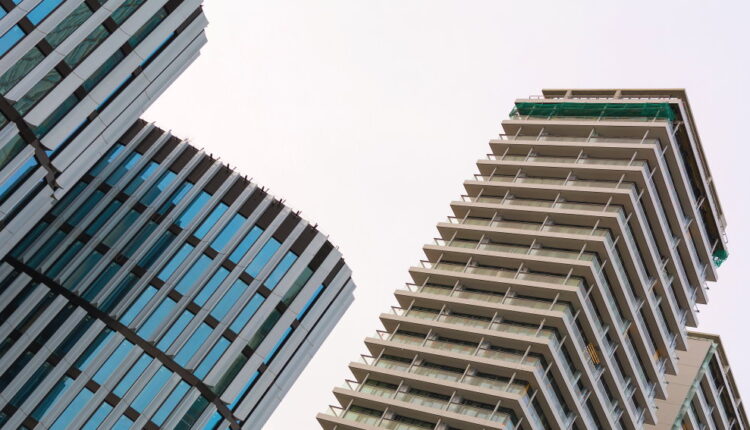
National Skyscraper Day is observed on September 3. The day celebrates the architecture, engineering, ambition, and imagination behind the tall buildings that shape modern city skylines. Skyscrapers are more than impressive structures. They show how cities adapt to limited space, growing populations, business needs, and changing ideas about design.
History of National Skyscraper Day
National Skyscraper Day is observed on September 3 in honor of Louis H. Sullivan, the influential American architect born on September 3, 1856. Sullivan is often called the “father of skyscrapers” because of his role in shaping early high-rise architecture and the idea that a tall building should have its own clear architectural form.
The rise of skyscrapers became possible in the late 19th century because of new building technologies, including steel-frame construction, safer elevators, fireproofing, and stronger foundations. One of the most famous early examples was the Home Insurance Building in Chicago, designed by William Le Baron Jenney and completed in 1885. Originally 10 stories and 138 feet tall, it is often cited as the world’s first skyscraper.
In the 19th century, a skyscraper could be any building that rose far above its surroundings. Today, the term usually refers to a very tall building, often with dozens of floors. Skyscrapers now serve many purposes, including offices, hotels, apartments, observation decks, retail spaces, and mixed-use developments.
Interesting Facts About National Skyscraper Day
- National Skyscraper Day is observed on September 3 each year.
- The date honors Louis H. Sullivan, who was born on September 3, 1856.
- The Home Insurance Building in Chicago is often called the world’s first skyscraper.
- Early skyscrapers became possible because of steel frames, elevators, and advances in engineering.
- Skyscrapers help cities use limited land more efficiently by building upward instead of outward.
- Many modern skyscrapers include offices, apartments, hotels, restaurants, shops, public spaces, and observation decks in one building.
How to Take Part in National Skyscraper Day
National Skyscraper Day can be celebrated by visiting an observation deck, taking a walking tour of city architecture, or learning about famous skyscrapers in your area. You can also read about architects, engineers, and construction workers who helped make tall buildings possible.
If you enjoy design or history, compare old and modern skyscrapers and notice how materials, shapes, windows, entrances, and public spaces have changed. You can also share photos of your favorite skyline, build a small model, or watch a documentary about architecture and urban planning.
When Is National Skyscraper Day in 2026?
National Skyscraper Day is observed on September 3 each year.
Observations
| Weekday | Month | Day | Year |
| Thursday | September | 3 | 2026 |
| Friday | September | 3 | 2027 |
| Sunday | September | 3 | 2028 |
| Monday | September | 3 | 2029 |