National Sickle Cell Awareness Month is observed every September to raise awareness about sickle cell disease, an inherited blood disorder that affects red blood cells. The month focuses on education, early diagnosis, treatment, blood donation, research, and support for people living with the condition and their families.
History of National Sickle Cell Awareness Month
Sickle cell disease was first described in modern medical literature in 1910, when physician James B. Herrick published a case report about Walter Clement Noel, a dental student from Grenada. Noel’s blood showed unusual sickle-shaped red blood cells, which helped doctors begin to understand the disease.
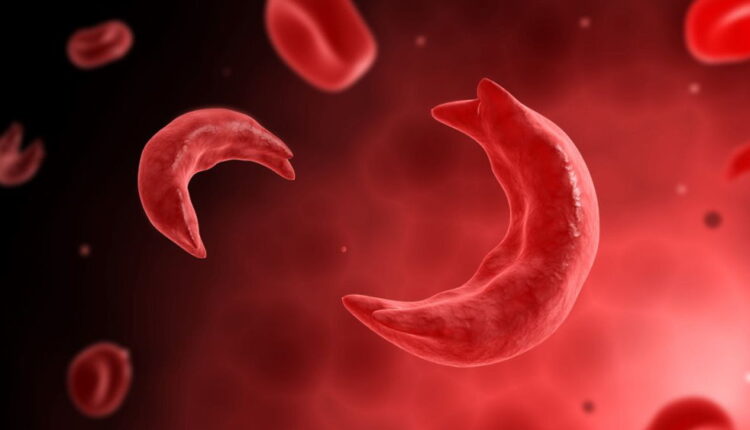
In the following decades, researchers learned more about the genetic basis of sickle cell disease and the role of abnormal hemoglobin. The condition causes some red blood cells to become rigid and crescent-shaped. These cells can block small blood vessels, leading to pain, anemia, infections, organ damage, stroke, and other serious complications.
National Sickle Cell Awareness Month was first officially recognized by the federal government in 1983, when President Ronald Reagan issued Proclamation 5102 designating September as National Sickle-Cell Anemia Awareness Month. Today, the observance is used by healthcare organizations, advocacy groups, researchers, and families to promote awareness, improve care, and support people affected by sickle cell disease.
Interesting Facts About National Sickle Cell Awareness Month
- Sickle cell disease is inherited. A person must receive a sickle cell gene from both parents to have the disease.
- People with sickle cell trait usually do not have sickle cell disease, but they can pass the gene to their children.
- According to the CDC, sickle cell disease affects about 100,000 people in the United States.
- In the United States, sickle cell disease occurs in about 1 out of every 365 Black or African American births.
- The disease also affects people with Hispanic, Mediterranean, Middle Eastern, Asian, and Indian ancestry.
- Treatment is individualized and may include vaccines, infection prevention, pain management, blood transfusions, medicines, specialist care, and, for some patients, curative therapies such as stem cell transplant.
Ways to Observe National Sickle Cell Awareness Month
National Sickle Cell Awareness Month can be observed by learning about the disease, sharing reliable information, and supporting people who live with sickle cell disease. You can attend educational events, take part in awareness campaigns, donate to research or patient support organizations, or help families find trusted resources.
Blood donation is another meaningful way to help, especially because some people with sickle cell disease need regular transfusions. People can also use the month to encourage newborn screening, genetic counseling, and respectful conversations about inherited health conditions, pain, and access to quality care.
When Is National Sickle Cell Awareness Month in 2026?
National Sickle Cell Awareness Month is observed annually throughout September, beginning on September 1.
Observations
| Weekday | Month | Day | Year |
| Tuesday | September | 1 | 2026 |
| Wednesday | September | 1 | 2027 |
| Friday | September | 1 | 2028 |
| Saturday | September | 1 | 2029 |