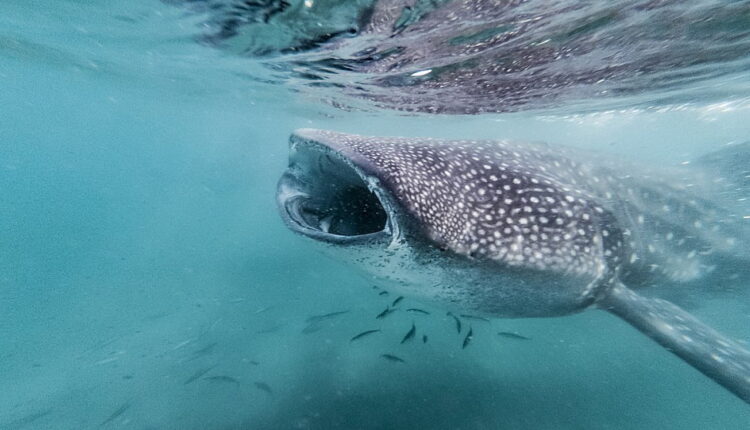
International Whale Shark Day is observed on August 30 to raise awareness about whale sharks and the need to protect them. The whale shark is the largest fish in the world, known for its enormous size, slow movement, spotted pattern, and gentle nature.
Despite their size, whale sharks are filter feeders and do not pose a threat to people. They feed mainly on plankton, krill, fish eggs, and small fish. Because they move slowly, spend time near the surface, and migrate through busy marine areas, they face serious threats from fishing, bycatch, boat strikes, pollution, and habitat pressure.
History of International Whale Shark Day
International Whale Shark Day began in 2008 during an international whale shark conference held on Holbox Island, Mexico. Marine experts, scientists, and conservation advocates used the event to draw attention to the declining numbers of whale sharks and the need for stronger protection.
The day is now observed each year on August 30. Its purpose is to educate the public about whale sharks, support conservation work, and remind people that even the largest fish in the sea is vulnerable to human activity.
Interesting Facts About International Whale Shark Day
Whale sharks are among the most remarkable animals in the ocean. Their size can be intimidating at first, but they are calm, slow-moving filter feeders.
- Whale sharks are not whales; they are sharks and the largest fish species in the world.
- They can grow to more than 40 feet long, and some reports describe even larger individuals.
- Whale sharks have more than 3,000 tiny teeth, but they do not use them for feeding.
- They feed by filtering water for plankton, krill, fish eggs, and small fish.
- Each whale shark has a unique pattern of spots, similar to a fingerprint.
- Whale sharks give birth to live young rather than laying eggs.
- They are long-lived animals, with some individuals thought to live well beyond 100 years.
- The species is listed as endangered, with major threats including fishing, bycatch, vessel strikes, and marine pollution.
These facts show why International Whale Shark Day matters. Protecting whale sharks also means protecting the wider marine ecosystems they depend on.
How to Take Part in International Whale Shark Day
International Whale Shark Day can be observed by learning about these gentle giants and supporting efforts to protect them. Small everyday choices can also help reduce threats to marine life.
- Learn more about whale sharks, their migration routes, feeding habits, and conservation status.
- Reduce single-use plastics, especially at beaches and near waterways.
- Never leave plastic bottles, bags, fishing line, or other waste near the ocean.
- Support ocean conservation organizations that work to protect whale sharks and their habitats.
- Share reliable information about whale sharks online with #InternationalWhaleSharkDay.
- If you join a whale shark tour, choose a responsible operator that follows local wildlife guidelines and keeps a safe distance from the animals.
The best way to take part is to treat whale sharks as wild animals that need space, clean oceans, and long-term protection.
When Is International Whale Shark Day in 2026?
International Whale Shark Day is observed on August 30 each year.
Observations
| Weekday | Month | Day | Year |
| Sunday | August | 30 | 2026 |
| Monday | August | 30 | 2027 |
| Wednesday | August | 30 | 2028 |
| Thursday | August | 30 | 2029 |