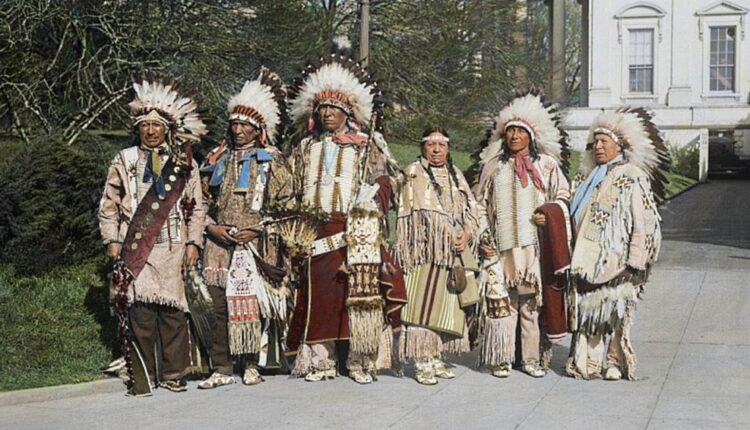
American Indian Citizenship Day honors the passage of the Indian Citizenship Act of 1924, which extended U.S. citizenship to Indigenous peoples born within the territorial United States. For many Native communities, this date is a reminder of a long struggle for recognition, legal equality, and basic civil rights that were withheld for generations.
History
When the U.S. Constitution was adopted, American Indians were generally not treated as citizens under federal law. For decades, Native people were viewed primarily through the lens of tribal status rather than individual civil rights. Even after the 14th Amendment was ratified in 1868, citizenship for American Indians remained complicated and uneven in practice.
In the late 19th and early 20th centuries, citizenship was sometimes offered on limited or conditional terms, often tied to policies that pushed assimilation. These measures did not guarantee equal rights nationwide and did not apply consistently across tribes and individuals.
A major shift came in 1924, when Congress passed the Indian Citizenship Act. The law granted U.S. citizenship to American Indians born in the United States. June 2, the date the act was signed into law, is recognized as American Indian Citizenship Day.
Interesting Facts
American Indians are the Indigenous peoples of the United States, yet citizenship and equal civil rights were not fully recognized for many until the 20th century.
- After 1924, citizenship did not automatically mean full voting access everywhere, because some states continued to block Native voting for years through local laws and practices.
- Many Native nations maintained their own citizenship and governance systems alongside U.S. citizenship, reflecting their sovereign status.
- Today, many communities still focus on preserving languages, traditions, and treaty rights, while also addressing modern challenges such as healthcare and economic inequality.
How to Take Part
Mark the day with practical, respectful actions:
- Learn about the history of the Indian Citizenship Act and how citizenship and voting rights developed for Native communities.
- Visit an Indigenous cultural center, museum exhibit, or tribal history project, if accessible.
- Read Native authors or watch documentaries created with Native participation, focusing on tribal histories and present day life.
When is American Indian Citizenship Day in 2026?
American Indian Citizenship Day is observed annually on June 2.
Observations
| Weekday | Month | Day | Year |
| Tuesday | June | 2 | 2026 |
| Wednesday | June | 2 | 2027 |
| Friday | June | 2 | 2028 |
| Saturday | June | 2 | 2029 |