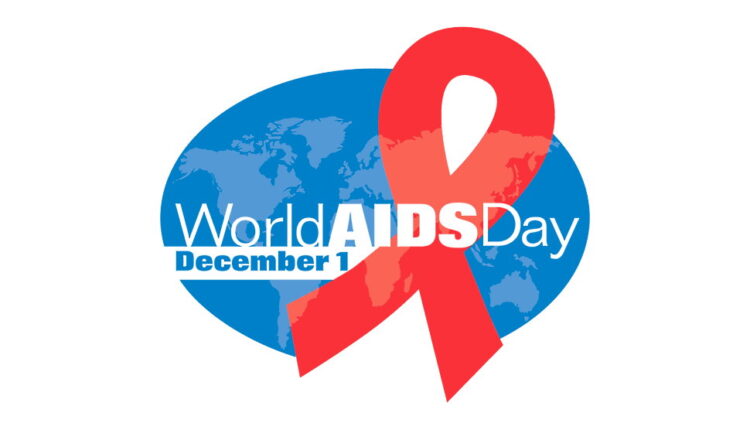
World AIDS Day is observed around the world on December 1 each year. It honors those who have died from AIDS-related illnesses, supports people living with HIV, raises awareness about prevention and treatment, and encourages action against HIV-related stigma and discrimination.
History of World AIDS Day
The first cases of the condition later known as AIDS were officially reported in the United States in 1981. In 1983, researchers at the Pasteur Institute in France identified a virus associated with AIDS. The virus was later named human immunodeficiency virus, or HIV.
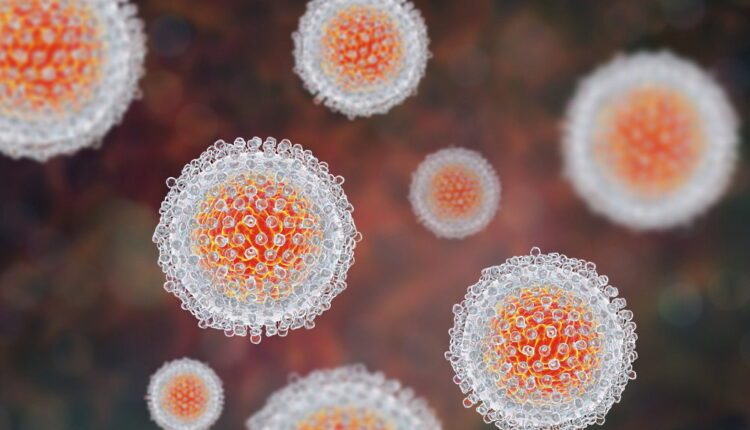
Scientific evidence indicates that HIV originated when related viruses crossed from primates to humans in Africa. HIV attacks cells that help the immune system fight infections. Without treatment, the infection can progress to AIDS, the most advanced stage of HIV infection.
World AIDS Day was proposed by World Health Organization communications officers James Bunn and Thomas Netter. It was first observed on December 1, 1988, becoming the first international day dedicated to global health. The annual observance brings together governments, health organizations, communities, and individuals in support of people affected by HIV.
Important Facts About World AIDS Day
- HIV attacks the immune system and can lead to AIDS if it is not treated.
- HIV is not transmitted through ordinary social contact, such as hugging, shaking hands, or sharing dishes.
- There is currently no widely available cure for HIV, but effective antiretroviral treatment can control the virus.
- People who receive effective treatment can live long and healthy lives.
- A person who maintains an undetectable viral load does not transmit HIV through sexual contact, a principle known as Undetectable Equals Untransmittable, or U=U.
- HIV can be transmitted through certain body fluids, including blood, semen, vaginal fluids, rectal fluids, and breast milk.
- Medical care can greatly reduce the risk of HIV transmission during pregnancy, childbirth, and breastfeeding.
- The red ribbon is an internationally recognized symbol of HIV awareness and solidarity.
Ways to Observe World AIDS Day
- Learn how HIV is transmitted, prevented, tested for, and treated.
- Wear a red ribbon to show support for people living with HIV.
- Attend a remembrance ceremony, educational program, or community event.
- Share accurate information and challenge myths that contribute to stigma.
- Support organizations providing HIV testing, treatment, education, and assistance.
- Remember those who have died from AIDS-related illnesses and listen respectfully to people affected by HIV.
When Is World AIDS Day in 2026?
World AIDS Day is observed on December 1 each year.
Observations
| Weekday | Month | Day | Year |
| Tuesday | December | 1 | 2026 |
| Wednesday | December | 1 | 2027 |
| Friday | December | 1 | 2028 |
| Saturday | December | 1 | 2029 |