
Memorial Day is a federal holiday in the United States dedicated to honoring service members who died while serving in the U.S. armed forces. It is observed on the last Monday in May. The day carries deep historical and cultural significance and serves as a national moment of remembrance and reflection.
History of Memorial Day
The origins of Memorial Day date back to the aftermath of the Civil War. After the war ended in 1865, communities across the country began honoring fallen soldiers by decorating their graves with flowers and holding commemorative ceremonies at cemeteries and memorial sites.
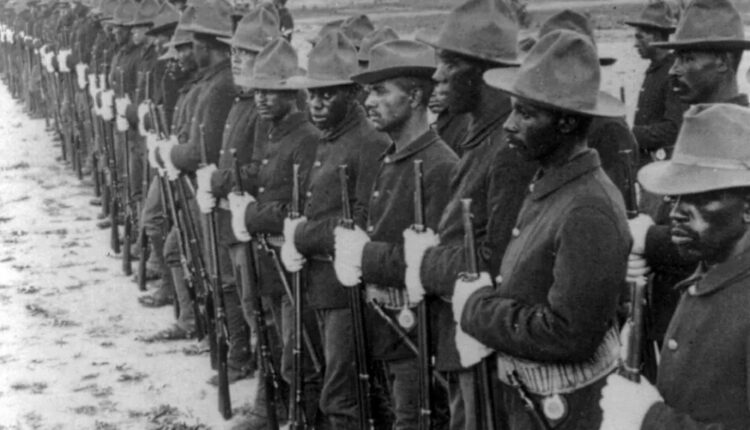
In 1868, General John A. Logan, a Civil War veteran and national commander of the Grand Army of the Republic, formally proclaimed a day of remembrance for fallen soldiers. Over time, the observance expanded to honor American military personnel who died in all wars. Memorial Day later became an official federal holiday, observed nationwide.
How Memorial Day Is Observed
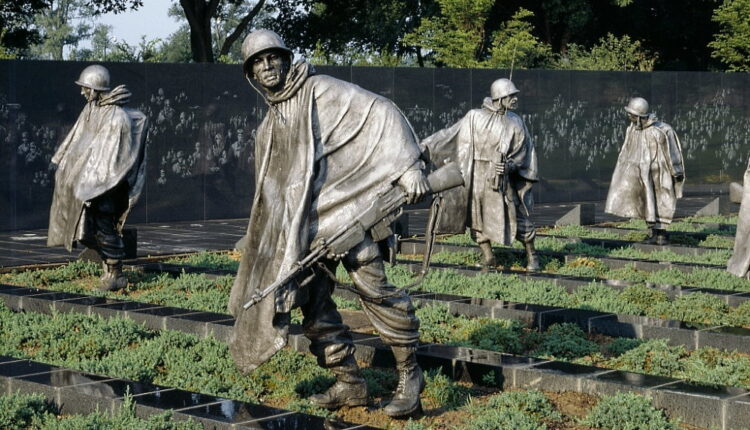
- People visit cemeteries and memorials to pay tribute to fallen service members.
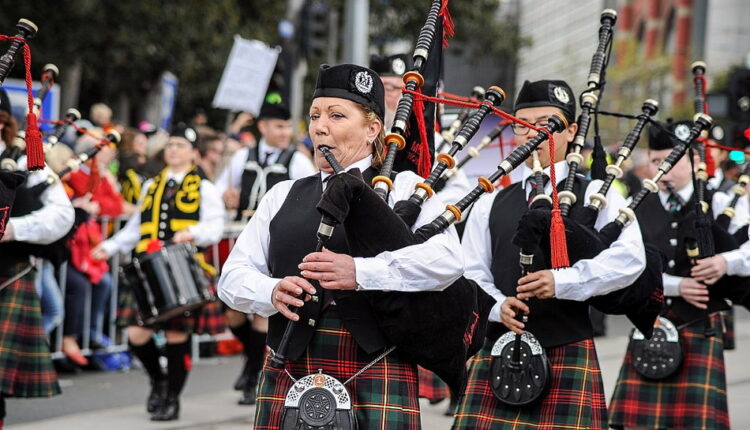
- Parades and public ceremonies are held in many cities and towns, often involving veterans, active-duty military personnel, and local communities.
- The red poppy is commonly worn or displayed as a symbol of remembrance and respect for those who lost their lives in service.
Memorial Day emphasizes the importance of preserving historical memory and honoring sacrifice. The observance encourages quiet reflection and respect rather than celebration.
When Is Memorial Day in 2026?
Memorial Day is observed on the last Monday in May each year.
Observations
| Weekday | Month | Day | Year |
| Monday | May | 25 | 2026 |
| Monday | May | 31 | 2027 |
| Monday | May | 29 | 2028 |
| Monday | May | 28 | 2029 |