
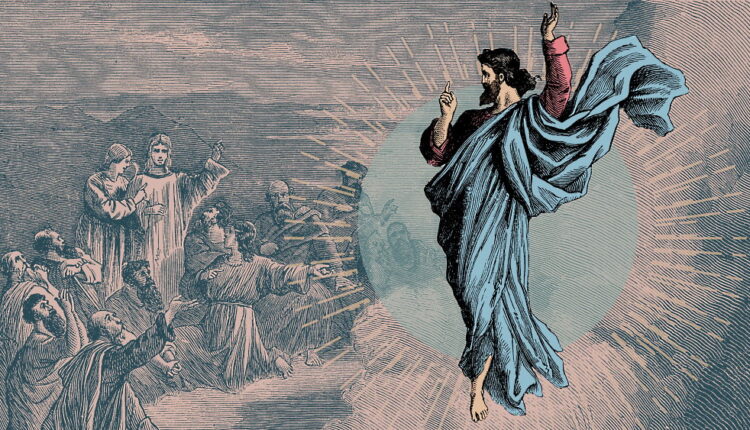
Ascension is one of the major Christian observances. Christians believe that on the 40th day after Easter, Jesus Christ ascended into heaven.
History of Ascension
According to the New Testament, Jesus led His disciples to the Mount of Olives, near Bethany, and ascended into heaven. The account also describes angels announcing that Jesus would return.
For Christians, the Ascension affirms that Jesus, after His Resurrection, entered heavenly glory. Many churches mark the day with special services, hymns, and Gospel readings.
Interesting Facts About Ascension
In addition to church services, some communities keep traditional customs connected with Ascension. These practices can vary by country and denomination.
- In some traditions, people avoid heavy physical labor and postpone major household work.
- Acts of charity and practical help for those in need are often encouraged.
- Some folk customs advise against lending or borrowing money on this day.
- Many believers treat the day as a time to avoid quarrels, harsh language, and envy.
Not all of these customs are observed everywhere, but they reflect how different cultures have shaped the day over time.
How Ascension Is Observed
Ascension is commonly observed through worship and quiet reflection. Many Christians attend church services, pray, and read passages connected with the Ascension.
In some families and communities, people also share a meal, offer hospitality, or provide help to neighbors, especially to anyone who may be struggling.
When Is Ascension in 2026?
Ascension is observed on a Thursday, 40 days after Easter Sunday.
Observations
| Weekday | Month | Day | Year |
| Thursday | May | 14 | 2026 |
| Thursday | May | 6 | 2027 |
| Thursday | May | 25 | 2028 |
| Thursday | May | 10 | 2029 |