
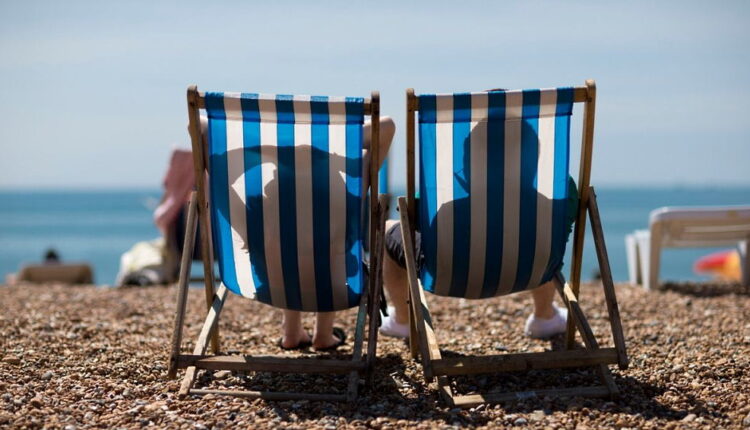
Summer Bank Holiday is observed on the last Monday of August in England and Wales. It marks one of the best-known public holidays of the British summer and gives many people a long weekend before autumn begins. Today, the holiday is associated with travel, family time, outdoor events, and the close of the summer season.
History of Summer Bank Holiday
Summer Bank Holiday in England and Wales has its roots in the Bank Holidays Act of 1871. The measure was promoted by Sir John Lubbock, who supported the idea of giving workers more official days off beyond the major religious holidays already recognized at the time.
Originally, the August bank holiday was held on the first Monday of August across much of the UK. That changed in the 1960s, when the date was moved experimentally in England and Wales. The new timing was later закреплено in law, and under the Banking and Financial Dealings Act 1971 the holiday became fixed on the last Monday of August in England and Wales. Scotland kept the earlier pattern and still observes its summer bank holiday on the first Monday of August.
Interesting Facts About Summer Bank Holiday
Summer Bank Holiday has changed over time, and a few details help explain why it remains such a familiar part of the British calendar.
- The holiday was first introduced in 1871 as part of a wider reform of bank holidays.
- It was originally observed on the first Monday of August, not the last.
- England and Wales now observe it on the last Monday of August, while Scotland continues to mark its August bank holiday on the first Monday.
- The move to late August was linked to wider efforts to ease congestion and extend the summer holiday period.
These changes helped turn the holiday into the late-summer long weekend that people in England and Wales know today.
How Summer Bank Holiday Is Observed
Summer Bank Holiday is usually observed as a practical break at the end of summer rather than as a formal commemorative date. Many people use the long weekend for simple plans close to home or short trips away.
- Spend time with family or friends.
- Take a short trip or visit relatives.
- Go to concerts, festivals, or local events.
- Use the extra day off to rest before the start of the autumn work and school period.
For many households, the holiday is simply a chance to slow down and make the most of one more summer weekend.
When Is Summer Bank Holiday in 2026?
Summer Bank Holiday is observed on the last Monday of August each year in England and Wales.
Observations
| Weekday | Month | Day | Year |
| Monday | August | 31 | 2026 |
| Monday | August | 30 | 2027 |
| Monday | August | 28 | 2028 |
| Monday | August | 27 | 2029 |