
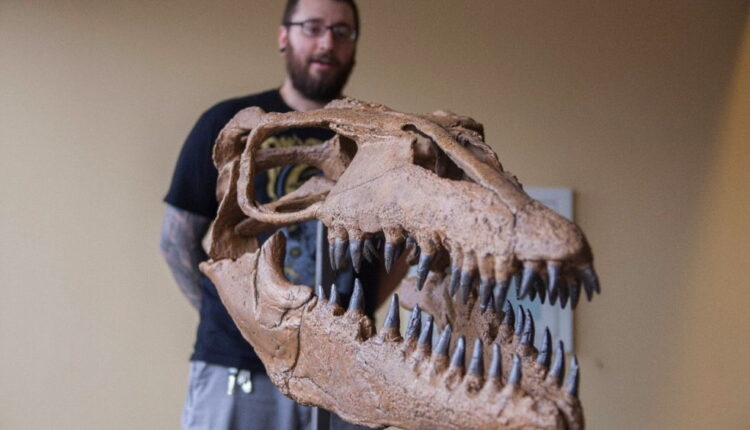
National Fossil Day is observed each year on the Wednesday of the second full week in October. The day celebrates fossils and the important scientific clues they provide about ancient plants, animals, ecosystems, and life on Earth long before humans existed.
History of National Fossil Day
The first National Fossil Day was held on October 13, 2010, during Earth Science Week. It was organized by the National Park Service and many partner organizations to highlight the scientific, educational, and cultural value of fossils.
Fossils help scientists understand extinct species, ancient environments, evolution, climate change, and the long history of life on Earth. Each year, National Fossil Day events encourage museums, parks, schools, universities, and families to learn more about paleontology and the importance of protecting fossil resources.
Interesting Facts About National Fossil Day
- Fossils can include bones, teeth, shells, footprints, plant impressions, and even traces of ancient behavior.
- Neanderthal remains were first identified in the nineteenth century, helping scientists learn more about human evolution.
- The first Tyrannosaurus rex fossils were discovered in the early twentieth century.
- The famous hominin fossil known as “Lucy” was discovered in Ethiopia in 1974.
How to Take Part in National Fossil Day
Celebrate National Fossil Day by visiting a natural history museum, attending a fossil-related event, or learning more about paleontology through books, documentaries, or educational programs.
You can also thank paleontologists, park rangers, museum staff, and educators who help preserve fossils and share knowledge about Earth’s ancient past.
When Is National Fossil Day in 2026?
National Fossil Day is observed on the Wednesday of the second full week in October each year.
Observations
| Weekday | Month | Day | Year |
| Wednesday | October | 14 | 2026 |
| Wednesday | October | 13 | 2027 |
| Wednesday | October | 11 | 2028 |
| Wednesday | October | 10 | 2029 |