
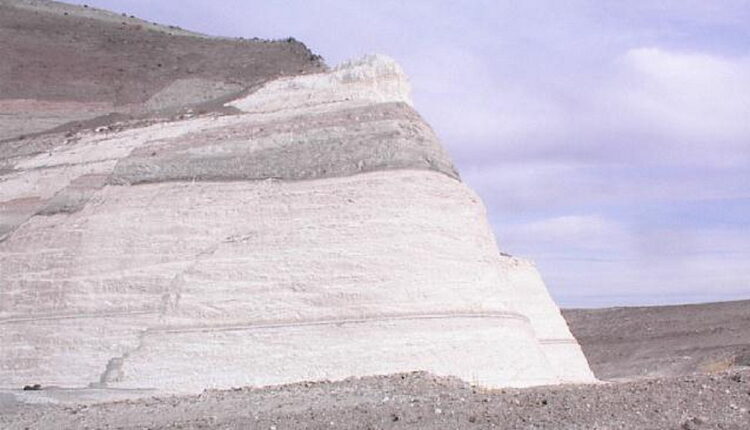
National Diatomaceous Earth Day is observed on August 31 and is dedicated to raising awareness of diatomaceous earth, also known as diatomite or kieselguhr. This naturally occurring material is made from the fossilized remains of tiny aquatic organisms called diatoms, whose skeletons are rich in silica.
Diatomaceous earth is used in many practical ways, including filtration, pest control, absorbents, mild abrasives, paints, coatings, and other industrial and household applications. Many people know it as a pool filter material or as a garden and household pest-control product, but it is important to use the correct type and follow product label directions carefully.
History of National Diatomaceous Earth Day
National Diatomaceous Earth Day was established in 2016 by EP Minerals to educate the public about diatoms and the useful mineral material they create. The observance highlights the many ways diatomaceous earth is used in daily life, industry, agriculture, filtration, and home care.
Diatomaceous earth forms over long periods of time as diatom remains accumulate in sediment from lakes, rivers, streams, and oceans. These deposits are mined and processed for different purposes. Because different grades are made for different uses, pool-grade, food-grade, and pesticide products should not be treated as interchangeable.
Interesting Facts About National Diatomaceous Earth Day
Diatomaceous earth is unusual because it comes from microscopic organisms but has large-scale practical uses. Its structure makes it useful for filtering, absorbing, polishing, and controlling some crawling insects.
- Diatomaceous earth is made from fossilized diatoms, tiny aquatic organisms with silica-based skeletons.
- It is mined from deposits that formed in ancient lakes, rivers, streams, and oceans.
- It is used as a filtration aid in products such as beverages, syrups, and some industrial liquids.
- It can be used as a mechanical insecticide because its abrasive particles damage the outer coating of certain insects.
- Pool-grade diatomaceous earth is not the same as food-grade or garden-use products and should not be used for other purposes.
- Breathing in diatomaceous earth dust can irritate the eyes, nose, throat, and lungs, so careful handling is important.
These facts show why National Diatomaceous Earth Day is both educational and practical. Diatomaceous earth can be useful, but it should be handled responsibly and used only as directed.
How to Take Part in National Diatomaceous Earth Day
National Diatomaceous Earth Day can be observed by learning about diatoms, reading product labels, and exploring the safe uses of diatomaceous earth in everyday life.
- Learn how diatoms form silica-rich deposits and why diatomaceous earth is useful in filtration and industry.
- Read labels carefully before using diatomaceous earth for pest control, gardening, pool filtration, or household projects.
- Use only the correct grade for the intended purpose, and never substitute pool-grade diatomaceous earth for food, garden, or pet-related uses.
- Avoid breathing in the dust, and wear appropriate protection if a product label recommends it.
- Try a safe DIY or garden project only with a product made for that purpose.
- Share reliable information online with #NationalDiatomaceousEarthDay.
The best way to observe the day is to appreciate the science behind diatomaceous earth while using it safely and responsibly.
When Is National Diatomaceous Earth Day in 2026?
National Diatomaceous Earth Day is observed on August 31 each year.
Observations
| Weekday | Month | Day | Year |
| Monday | August | 31 | 2026 |
| Tuesday | August | 31 | 2027 |
| Thursday | August | 31 | 2028 |
| Friday | August | 31 | 2029 |