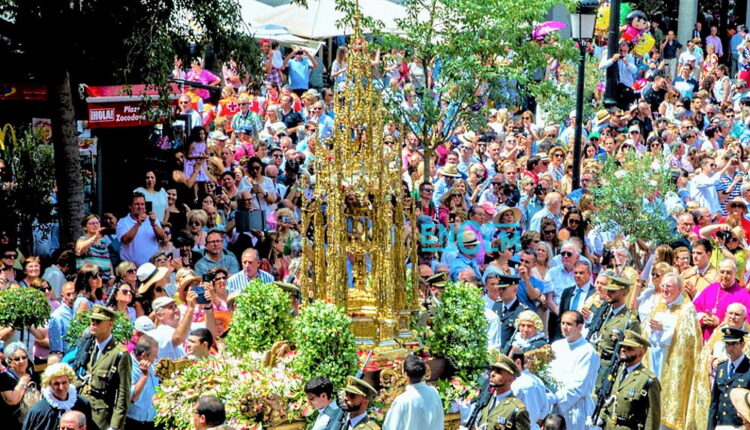

Easter Monday is observed on the day following Easter Sunday and is recognized by many Christian communities as a continuation of the celebration of the Resurrection of Jesus Christ. While religious texts do not prescribe specific rituals for this day, it remains an important part of the Easter period, particularly among Orthodox Christians and Roman Catholics.
History of Easter Monday
Easter Monday has been observed since at least the 15th century and traditionally marks the conclusion of the Lenten season. According to Christian belief, after His resurrection, Jesus remained on earth for forty days. During this time, He continued to teach, heal the sick, and share spiritual truths with His followers. At the end of this period, He ascended into heaven.
Over time, the day following Easter Sunday became associated with reflection, communal gatherings, and regional customs that developed independently of formal church doctrine.
Ways to Observe Easter Monday
In many countries, Easter Monday is marked by public processions, family gatherings, and community traditions. Decorated Easter eggs remain an important symbol and are often reused in games and rituals associated with the day.
- In some regions, the day is known as Wet Monday, during which people lightly sprinkle one another with water as a symbol of purification, renewal, and new beginnings.
- Flowers are commonly exchanged, with lilies often chosen as a symbol of purity and renewal.
Easter Monday is typically spent with family, especially children. Common activities include outdoor walks, egg-rolling games, and local events that emphasize togetherness and the continuation of the Easter celebration.
When Is Easter Monday in 2026?
Easter Monday is observed on the Monday immediately following Easter Sunday.
Observations
| Weekday | Month | Day | Year |
| Monday | April | 6 | 2026 |
| Monday | March | 29 | 2027 |
| Monday | April | 17 | 2028 |
| Monday | April | 2 | 2029 |