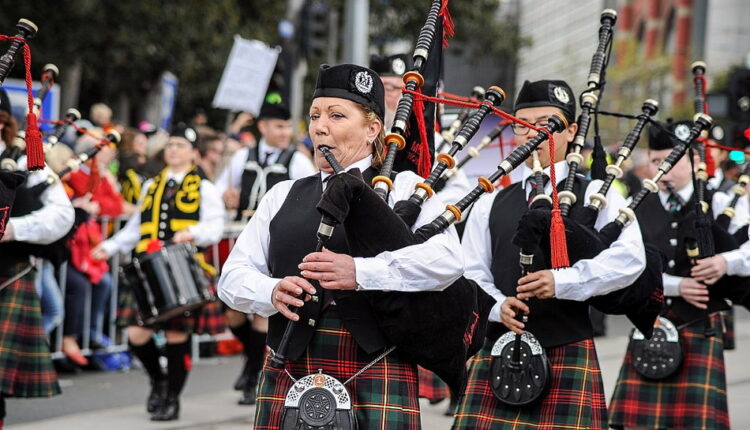
May Day is a traditional spring observance marked in many countries by fairs, parades, and community gatherings. It is associated with seasonal renewal and long-standing folk customs that celebrate the transition from spring to early summer. The holiday brings people together through shared traditions, music, and outdoor activities.
History of May Day
The origins of May Day predate modern calendars and are rooted in ancient seasonal traditions. In parts of Europe, similar celebrations were linked to agricultural cycles and the arrival of warmer weather. These early observances often focused on fertility, growth, and the hope for successful harvests.
In Roman times, festivals connected with nature and renewal were held during this period of the year. Later, in Celtic traditions, early May marked an important seasonal threshold. Bonfires, symbolic decorations, and communal gatherings were common elements meant to protect communities and encourage prosperity.
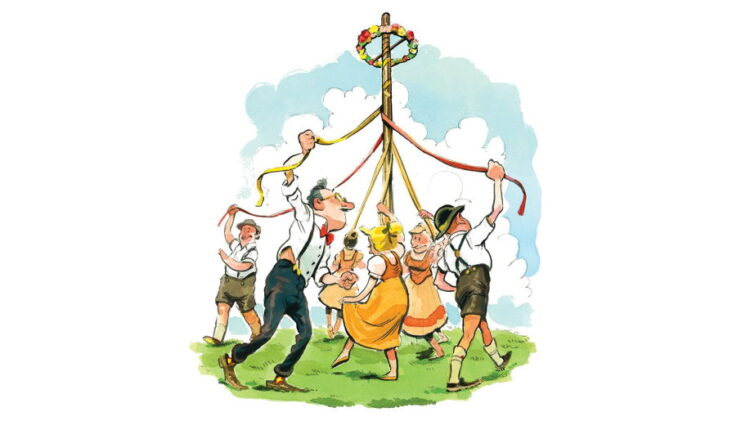
One of the most recognizable symbols associated with May Day is the Maypole. The pole, often placed in a central location and decorated with ribbons, represents the connection between the natural world and human life. Dancing around it became a visual expression of unity and seasonal joy.
Modern May Day celebrations reflect a blend of these historical influences. While customs vary by region, many traditions emphasize outdoor events, music, and references to nature and renewal.
Interesting Facts About May Day
May Day traditions differ widely depending on local history and culture.
- In some parts of England, celebrations begin early in the morning with traditional singing from prominent landmarks.
- Certain towns and villages maintain the custom of selecting symbolic figures such as a May Queen or May King to lead festivities.
- Elements like greenery, floral decorations, and folk costumes remain common features of local celebrations.
These practices reflect how ancient customs continue to shape modern community life.
How to Take Part in May Day
May Day is commonly observed through participation in local events, such as fairs, parades, or cultural performances. Spending time outdoors and learning about regional traditions can provide insight into the holiday’s historical roots.
Some people mark the day by engaging in simple seasonal activities, including decorating with flowers, attending folk music events, or exploring the history of May Day customs in their area. The emphasis is on community connection and appreciation of seasonal change.
When Is May Day in 2026?
May Day is observed annually on May 1.
Observations
| Weekday | Month | Day | Year |
| Friday | May | 1 | 2026 |
| Saturday | May | 1 | 2027 |
| Monday | May | 1 | 2028 |
| Tuesday | May | 1 | 2029 |