
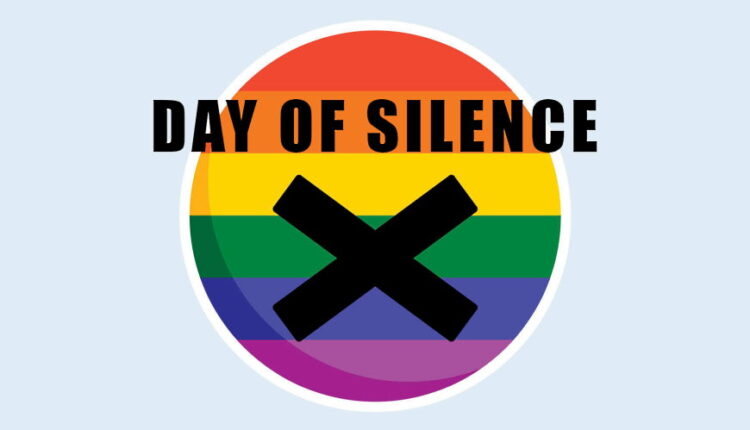
April is marked by public actions connected with Day of Silence, an observance focused on raising awareness of discrimination, harassment, and exclusion faced by LGBTQ+ people. Students from high schools and universities, educators, social workers, and athletes often take part. The observance is supported by a wide range of community groups and organizations.
History of Day of Silence
The first Day of Silence took place in 1996 as a nonviolent student-led action aimed at drawing attention to the silencing effect of harassment and discrimination. Participants chose silence as a symbolic response to the way many people are pushed out of public life because of their sexual orientation or gender identity.
The initiative began in the United States and gradually spread to other countries. In Europe, Day of Silence has been observed since 2006. Over time, it has become an established annual observance within educational institutions, emphasizing peaceful expression and reflection rather than confrontation.
How to Take Part in Day of Silence
- Students and educators may organize quiet demonstrations, symbolic actions, or moments of silence on campuses and in public spaces.
- Participants often use the day to learn more about discrimination, bullying, and unequal treatment, and to share verified information within their communities.
- Many choose to support an inclusive environment by standing with those who experience marginalization and by promoting respectful dialogue after the observance ends.
Day of Silence is grounded in the idea that tolerance and equal treatment are essential to a healthy, democratic society. The observance encourages reflection, empathy, and awareness rather than celebration.
When Is Day of Silence in 2026?
Day of Silence is observed annually in April, with the exact date changing each year.
Observations
| Weekday | Month | Day | Year |
| Friday | April | 10 | 2026 |
| Friday | April | 9 | 2027 |
| Friday | April | 14 | 2028 |
| Friday | April | 13 | 2029 |